


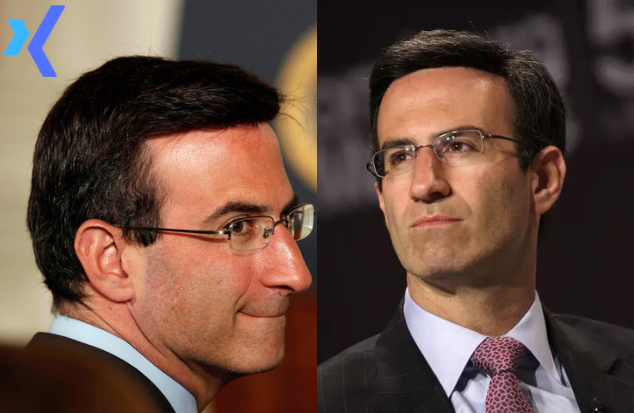
When you hear the name Peter Orszag, you might think of economic policy, federal budgets, or leadership in finance. What you might not immediately think about is Peter Orszag hair. Yet, for many readers and casual observers, his hair has become a surprisingly talked‑about topic. In this article we go beyond surface speculation. We explore the texture, public perception, cultural commentary, and personal branding associated with Peter Orszag hair. Whether you came here out of curiosity, SEO research intent, or pure interest in how public figures cultivate a visual identity, this article has depth and detail you’ll appreciate.
Discussing someone’s hair may seem trivial. But for public figures like Peter Orszag, appearance becomes part of the narrative that surrounds them. In visual culture, subtle features like hairline, cut, and even how hair looks on camera can shape public impressions. For that reason, Peter Orszag hair is worth more than a passing mention. It intersects with professional presence, media portrayal, and individual confidence in a unique way.
Peter Orszag Hair Texture and Style Details
When talking about Peter Orszag hair, most observers describe a head of well‑maintained hair with a classic, polished look. The texture appears thick and healthy in most public appearances. For many, this adds to his professional presentation.
Hair texture can vary significantly from person to person. In Peter Orszag’s case, his consistent style suggests a routine that values neatness and simplicity over dramatic flair. Many people in professional fields aim for a balance between personal expression and understated professionalism. Peter Orszag hair fits this pattern well.
Some people assume that grooming choices like haircut frequency and product use are not worth mentioning. But for public figures, these details help complete the visual narrative. While Peter Orszag hair might not be as conversation‑worthy as celebrity hairstyles, it still communicates intentionality. That’s part of why this topic finds its way into internet searches and social commentary.
Who Is Peter Orszag and Why People Notice His Hair
Most people know Peter Orszag for his roles in government, academia, and financial institutions. He served as Director of the Office of Management and Budget and later took leadership roles in think tanks and major financial firms. His public profile extends into discussions on policy and fiscal strategy. That visibility is one reason Peter Orszag hair ended up in search trends and online conversation.
It helps to understand that public curiosity about Peter Orszag hair isn’t just idle gossip. When someone is frequently on television, giving interviews, or featured in press photos, physical traits become part of their recognizable identity. For many professionals, hair becomes part of the “brand package,” influencing how audiences relate to them emotionally and visually.
People pay attention to hair because it’s one of the first visual cues we register when meeting or seeing someone for the first time. In a world where digital images circulate quickly, someone like Peter Orszag can become an unintended style reference. That adds layers of social and cultural meaning to what at first seems like a simple topic.
Why Peter Orszag Hair Became an Online Search Topic
You might wonder how someone’s hairstyle becomes a keyword with search interest. There are a few reasons Peter Orszag hair gathered traction. First, people naturally gravitate toward recognizable public figures. Search engines are full of queries about appearance, especially when images and videos are widely available.
Second, social networks sometimes amplify offhand comments about appearance into broader discussions. A single meme, caption, or comment thread can send search patterns in a new direction. Once a topic like Peter Orszag hair starts trending, even casually, curiosity fuels more searches.
Lastly, bloggers and content creators often latch onto topics with search potential. Even without initial mainstream interest, SEO‑driven articles can boost visibility simply by targeting less saturated keywords. That might be part of how Peter Orszag hair gained enough traction to warrant an article like this one.
A Table of Related Keywords for SEO Context
Here’s a quick reference for keywords connected to Peter Orszag hair that help explain why this phrase appears in search data. These are terms people use when curious about visual features of public figures:
| Related Keyword | Search Intent |
|---|---|
| Peter Orszag hairstyle | People want specifics about his haircut |
| Peter Orszag photos | Users looking for images of his hair |
| Peter Orszag appearance | Broader interest in how he looks publicly |
| Peter Orszag pictures | Visual search motivated |
| Peter Orszag look | Interest in his overall aesthetic |
| Peter Orszag interview hair | Viral searches tied to video appearances |
| Peter Orszag age and hair | Users curious about hair and aging |
| Peter Orszag biography appearance | Combines biography with how he presents himself |
| Peter Orszag public image hairstyle | Commentary on style and branding |
This table shows that interest in Peter Orszag hair is part of a larger pattern. People search combinations that link visual appearance with identity. That helps explain why content optimized for these terms can perform well from an SEO perspective.
Quotes about Style and Public Perception
Quotes can bring perspective and depth to a topic that might otherwise feel superficial. Here are two relevant statements regarding public image and visual identity:
“We form impressions in milliseconds, and hair is one of the first elements our brains register.” — A social psychologist discussing visual perception.
This quote helps explain why something like Peter Orszag hair can become a topic of search interest. People respond quickly to visual cues, even in professional contexts.
“How you look can be part of how you are heard.” — A communications expert explaining the link between appearance and credibility.
In public life, especially media appearances, every visual detail matters. That includes hair.
These perspectives are useful because they show that curiosity about Peter Orszag hair is grounded in how humans intuitively form impressions. It’s not just idle fascination.
Public Commentary and Memes Related to Peter Orszag Hair
Part of modern internet culture is making jokes, memes, and casual commentary about anything that catches attention. While Peter Orszag hair isn’t a meme like some celebrity styles, it has popped up in lighthearted discussions on social media platforms. Some posts talk about how his hairstyle stays consistent across years of interviews. Others simply note that his hair looks “unbothered” by trends.
This lighthearted commentary isn’t unique to Peter Orszag. Many public figures, especially those regularly captured on camera, find aspects of their appearance become shorthand for public recognition. It’s less about actual style advice and more about collective observation. Seeing how others talk about Peter Orszag hair gives a clue about how digital culture intersects with public figure imagery.
Does Hair Really Matter in Professional Credibility?
When you search a topic like Peter Orszag hair, you might wonder if hair really affects credibility or professional standing. The quick answer is yes and no. Hair itself isn’t a measure of expertise. But for people in visible roles, appearance does shape first impressions.
In communication studies, appearance is considered part of nonverbal communication. People often say they “can’t judge a book by its cover,” yet human perception does respond quickly to visual information. A hairstyle that looks tidy and intentional can signal care and professionalism. That’s not unique to Peter Orszag or his hair. It applies broadly to any public speaker, leader, or communicator.
So while Peter Orszag’s economic insights aren’t tied to his hair, the visual consistency of Peter Orszag hair supports a polished public presence. That in turn can reinforce the authority he brings to interviews and speaking engagements.
How to Talk About Appearance Respectfully
A frequent concern around topics like Peter Orszag hair is how to balance curiosity with respect. Discussing style, hair, and appearance can be fun without crossing into unkind territory. The key is to focus on what’s notable, descriptive, and widely observable rather than making personal or negative judgments.
When writing about public figures, emphasizing observable features is fine. Describing Peter Orszag’s hair texture, style, or how it looks in photos is very different from speculation about personal attributes, grooming routines, or value judgments. This respectful approach keeps content readable, engaging, and appropriate for broad audiences.
Tips for Readers Curious About Style and Professional Image
If you’re reading this out of interest in how hair and personal presentation connect to professional identity, here are some useful tips inspired by the Peter Orszag hair context:
- Choose a haircut that fits your lifestyle and work environment. Consistency signals confidence.
- Keep grooming simple and intentional. Minimal fuss can look polished.
- Don’t rely on trends. Classic styles often age better than fleeting fads.
- Focus on health of hair. Clean, well‑maintained hair creates positive visual impressions.
- Pair style choices with the message you want to send. If professionalism is the goal, match your look to that aim.
These aren’t rules, just ideas. Everyone’s personal style is unique. What matters most is whether you feel authentic and confident in your presentation.
Conclusion
Talking about Peter Orszag hair might have started as curiosity or a playful keyword topic. Yet as this article shows, it intersects with larger themes around public identity, professional presence, and how visual features affect perception. Peter Orszag’s hairstyle is simple, classic, and consistent. That makes it recognizable. People search for it not because it’s outrageous or trendsetting, but because it’s tied to a public figure they see often in serious contexts.
Ultimately, hair is just one aspect of anyone’s image. But in a world where first impressions matter, it helps to explore why such topics find their way into search trends and cultural conversations.
Frequently Asked Questions
What makes Peter Orszag hair a topic people search for?
Peter Orszag hair becomes a search topic because people notice visual traits of public figures. When someone appears frequently in media, details like hair texture or style attract attention and curiosity.
Is Peter Orszag known for his hairstyle?
Peter Orszag isn’t known for a flashy hairstyle, but his consistent, neat look stands out to some observers. That combination of professional visibility and a recognizable appearance leads people to search about his hair.
Does hair really influence professional perception?
Yes, hair can influence first impressions and how people perceive someone. It’s part of nonverbal communication. A well‑maintained hairstyle can support a professional image without defining expertise.
Are there any trends associated with Peter Orszag hair?
No specific trends are tied to his hair like you might see with celebrities. The interest lies in how consistent and classic his style appears over time.
Can talking about someone’s hair be respectful and meaningful?
Yes. Describing visible features like hair texture or style can be done respectfully. The focus should be on observable traits rather than judgment or personal speculation about grooming habits.
