


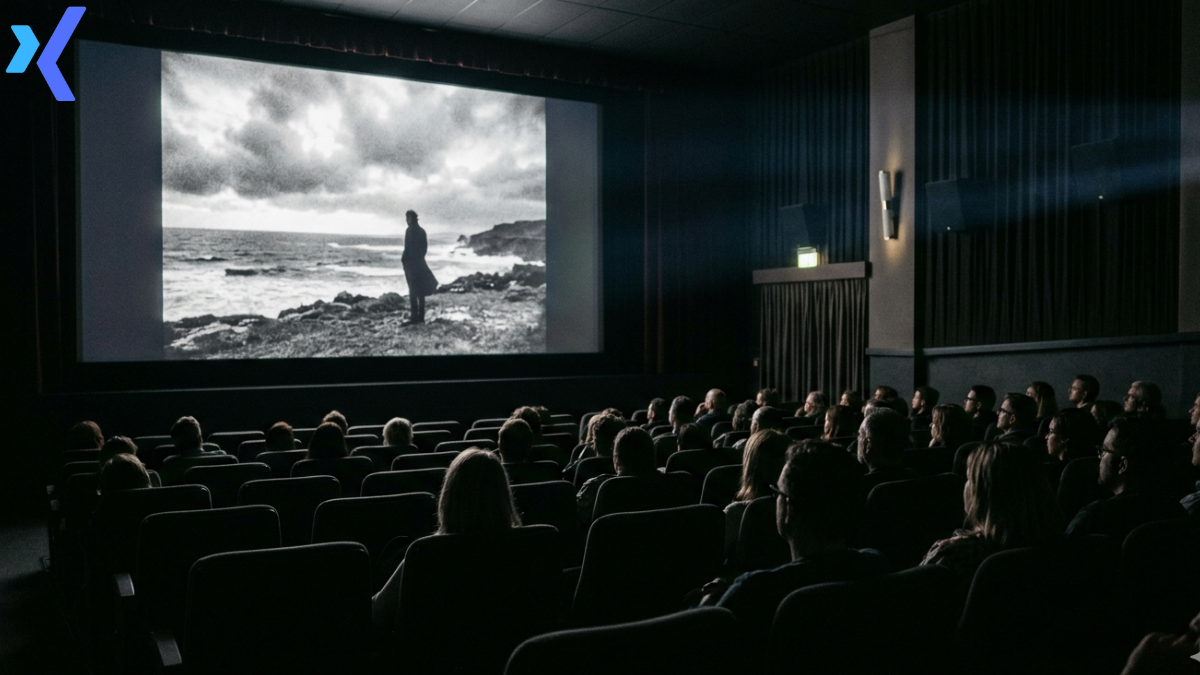
Movies have always been more than simple entertainment. For many viewers, they represent art, emotion, storytelling, and shared cultural experiences. In recent years, a phrase has started appearing frequently across social media, film discussions, and online communities: absolute cinema. The expression captures a moment when a film scene, performance, or visual sequence feels so powerful that it reminds audiences why movies exist in the first place.
The phrase absolute cinema is often used when a movie reaches a level of storytelling, emotion, or technical brilliance that feels unforgettable. It might appear in response to a breathtaking scene, a masterful piece of acting, or a moment that perfectly combines sound, visuals, and narrative. Film lovers use it to celebrate scenes that define the magic of the medium.
Today, the phrase has grown into a kind of shorthand among movie fans. When people say something is absolute cinema, they are recognizing a moment that goes beyond ordinary filmmaking. It signals that a film achieved something remarkable and left a strong emotional impact on viewers.
What the Phrase Absolute Cinema Really Means
At its core, absolute cinema describes a moment where filmmaking reaches its highest artistic potential. It usually refers to scenes that combine storytelling, music, cinematography, and acting in a way that feels perfectly balanced. These moments remind audiences why the big screen experience remains powerful.
Many people associate the phrase with iconic scenes from legendary films. For example, the dream-bending visuals in Inception by Christopher Nolan or the emotional intensity of Parasite by Bong Joon-ho are often described as examples of absolute cinema. These moments combine visual storytelling and emotion in a way that leaves a lasting impression.
The phrase also highlights how cinema can become a universal language. Even without dialogue, a powerful visual sequence can communicate meaning and emotion. That is often when viewers turn to the expression absolute cinema to describe the experience.
How the Internet Popularized Absolute Cinema
Although the concept has existed for decades, the phrase gained real momentum through online communities. Film fans on platforms like YouTube, Reddit, and Twitter began using absolute cinema to react to unforgettable scenes or film clips.
Memes played a major role in spreading the phrase. A dramatic moment from a film might appear online with the caption absolute cinema, instantly telling viewers that the scene represents filmmaking at its best. Over time, the phrase became a playful but sincere way of celebrating great movies.
Online film discussions also helped expand its meaning. Instead of only referring to famous blockbusters, people started applying absolute cinema to independent films, classic movies, and even animated scenes that captured deep emotion.
The Elements That Create Absolute Cinema
When audiences describe a scene as absolute cinema, they are usually reacting to several filmmaking elements working together. These elements combine to create moments that feel powerful and memorable.
Cinematography
Visual storytelling plays a major role. Cinematography can transform a simple moment into something breathtaking through lighting, camera movement, and framing.
Directors like Roger Deakins, the cinematographer behind films such as Blade Runner 2049, often create visuals that audiences describe as absolute cinema. Carefully composed shots can evoke emotion without a single word of dialogue.
Acting Performances
Outstanding performances also define powerful cinematic moments. When actors deliver emotionally intense scenes, audiences connect deeply with the story.
For instance, performances from actors like Leonardo DiCaprio or Daniel Day-Lewis often produce scenes that fans describe as absolute cinema because they feel authentic and unforgettable.
Music and Sound Design
Music often elevates a scene from good to extraordinary. A powerful score can intensify emotion and create a lasting memory for viewers.
Composers such as Hans Zimmer have contributed to many scenes considered absolute cinema, where music and visuals merge into a single dramatic experience.
Famous Movie Moments Often Called Absolute Cinema
Many iconic scenes across film history have earned this label from audiences. These moments show how storytelling, visuals, and emotion can combine to create something unforgettable.
One widely mentioned example appears in The Dark Knight, where Heath Ledger delivers his legendary performance as the Joker. The intensity of the character and the writing turned several scenes into moments frequently described as absolute cinema.
Another example comes from Interstellar, where emotional storytelling blends with stunning space visuals. The docking sequence accompanied by music from Hans Zimmer is often cited as absolute cinema because of its tension and visual impact.
Film lovers often share these scenes online to demonstrate what the phrase represents. It becomes a celebration of the art form itself.
Why Film Fans Love Using the Phrase
The popularity of absolute cinema comes from how simple yet expressive the phrase is. Instead of writing a long review, viewers can use just two words to express admiration for a moment that captures the magic of movies.
It also creates a sense of community among film fans. When someone shares a clip labeled absolute cinema, others immediately understand the meaning. They know the scene represents something special.
Another reason people enjoy using the phrase is its flexibility. It can apply to dramatic films, comedies, animated movies, or even short visual moments that stand out.
Absolute Cinema and Modern Film Culture
The phrase absolute cinema reflects how modern audiences talk about movies. Online discussions have changed how people celebrate film, making reactions faster and more expressive.
Film culture today blends serious analysis with humor and memes. The phrase fits perfectly into this environment. It can be sincere praise or a playful exaggeration, depending on the context.
Despite its casual tone, the phrase still highlights an important truth. Cinema remains one of the most powerful storytelling mediums, capable of delivering unforgettable emotional experiences.
Table: Key Elements That Define Absolute Cinema
| Element | Why It Matters in Film |
|---|---|
| Cinematography | Creates visual beauty and atmosphere |
| Acting | Brings emotional authenticity to characters |
| Music | Enhances mood and dramatic tension |
| Storytelling | Provides depth and meaning |
| Direction | Unifies all elements into a cohesive vision |
These elements often combine to create scenes that viewers proudly call absolute cinema.
Memorable Quotes About Cinema
Film history includes many quotes that capture the passion behind the art form.
“Cinema is a matter of what’s in the frame and what’s out.” – Martin Scorsese
“A film is never really good unless the camera is an eye in the head of a poet.” – Orson Welles
These words reflect the same admiration that people express today when they describe a moment as absolute cinema.
The Future of Absolute Cinema
As filmmaking technology continues to evolve, audiences will likely experience even more scenes worthy of the phrase. Advanced visual effects, improved cameras, and immersive sound design are already pushing the boundaries of storytelling.
Streaming platforms have also changed how films reach viewers. Even outside traditional theaters, powerful scenes can still become viral examples of absolute cinema when shared online.
The future of filmmaking will likely bring new directors, actors, and storytellers who create unforgettable moments that audiences celebrate for years.
Conclusion
Cinema has always been a powerful form of artistic expression. It blends storytelling, visuals, music, and human emotion into experiences that stay with audiences long after the credits roll. The phrase absolute cinema has become a modern way of recognizing those unforgettable moments.
When viewers use the expression, they are celebrating the magic of filmmaking. Whether it is a breathtaking visual sequence, a remarkable performance, or a perfectly crafted scene, the phrase captures the feeling of witnessing movie history in the making.
As film culture continues to grow online, the phrase will likely remain part of how audiences celebrate great movies. Whenever a scene truly captures the spirit of the art form, people will continue to call it absolute cinema.
FAQ
What does absolute cinema mean?
Absolute cinema refers to a moment in a film that feels exceptionally powerful or artistic. It usually describes scenes where storytelling, visuals, acting, and music combine perfectly to create an unforgettable experience.
Where did the phrase absolute cinma come from?
The phrase gained popularity through internet film communities and memes. Fans began using absoute cinema online to react to incredible movie scenes that showcased the best aspects of filmmaking.
Why do people call certain scenes absolute ciema?
Viewers often use the phrase when a scene delivers strong emotion, visual beauty, or storytelling brilliance. These moments remind audiences why movies can be such a powerful artistic medium.
Is absolute ciema only used for famous movies?
Not at all. While blockbuster scenes often receive the label, absolute cinma can describe moments from independent films, classic movies, or even animated productions that achieve powerful storytelling.
Can modern streaming films still be considered absolut cinema?
Yes. Even though many movies are released through streaming platforms today, powerful scenes can still earn the title abslute cinema when they deliver unforgettable visuals, performances, or storytelling moments.
