








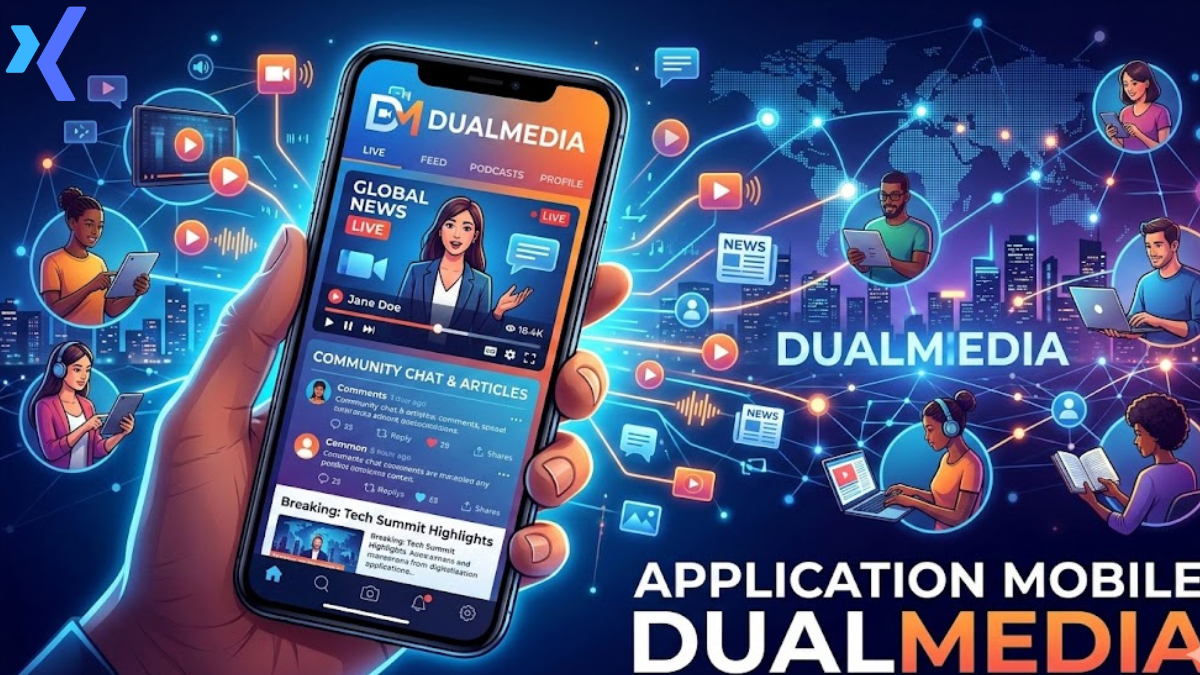
In today’s digital world, people constantly interact with photos, videos, messages, and streaming content across multiple platforms. Mobile technology has made it easier to create and consume media, but managing different formats and sources can still be complicated. This is where the application mobile dualmedia concept becomes valuable. It represents a modern approach to combining multiple types of digital media into one streamlined mobile experience.
An application mobile dualmedia typically allows users to interact with two forms of media at the same time. For example, a person might watch a video while browsing related images, or listen to audio while viewing text-based information. These apps are designed to improve engagement and convenience by reducing the need to switch between multiple platforms.
Developers and companies are increasingly exploring this type of solution because it supports modern user behavior. People no longer consume information in a single format. Instead, they move between visual, audio, and written content rapidly. A well-designed application mobile dualmedia brings these experiences together in one place, making digital interaction smoother and more efficient.
Understanding the Core Idea Behind Dual Media Apps
At its core, a application mobile dualmedia focuses on integrating two media formats within a single interface. These formats may include video, audio, images, text, or interactive elements. By combining them, users can experience richer content without needing to open several apps.
For example, a news platform might allow readers to view an article while simultaneously watching a short video summary. Another example could be a music streaming service that displays synchronized lyrics or visual clips alongside the audio track. This layered approach improves comprehension and entertainment value.
The concept also reflects how people naturally process information. Studies in multimedia learning suggest that combining visual and auditory content can improve understanding and memory. Because of this, many modern developers consider the application mobile dualmedia structure an important step toward more immersive mobile experiences.
“When multiple forms of media work together inside a single app, the user experience becomes more dynamic and memorable.”
Key Features That Define a Dual Media Mobile Application
Most platforms built as an application mobile dualmedia share a set of essential features designed to support smooth interaction between media formats. These features help maintain performance and usability while delivering rich content.
One major feature is synchronized playback. This ensures that audio, video, or text elements stay aligned with each other. For instance, when a user pauses a video, the associated text or subtitles also pause. This synchronization makes the experience feel natural and organized.
Another defining feature is adaptive interface design. A modern application mobile dualmedia must adjust to different screen sizes and orientations. Many apps support split-screen layouts or layered viewing modes that allow users to interact with both media elements comfortably.
Below is a simple overview of typical capabilities found in these applications.
| Feature | Description | User Benefit |
|---|---|---|
| Dual Media Display | Shows two types of media simultaneously | Saves time and improves engagement |
| Synchronized Playback | Keeps audio, video, and text aligned | Creates a seamless viewing experience |
| Adaptive Layout | Adjusts interface for different screen sizes | Improves usability on phones and tablets |
| Offline Support | Allows downloaded media to play without internet | Provides flexibility for users |
These features help ensure that a application mobile dualmedia remains efficient while delivering a rich multimedia environment.
Benefits of Using Dual Media Applications
The popularity of the application mobile dualmedia model is largely due to the many advantages it provides for both users and developers. One of the biggest benefits is improved engagement. When multiple forms of content appear together, users are more likely to stay active within the app for longer periods.
Another advantage is convenience. Instead of switching between several apps, users can interact with different media formats in one place. This reduces friction and saves time. For example, educational apps often combine video lessons with written notes and visual diagrams.
From a business perspective, a application mobile dualmedia can also increase user retention. Platforms that deliver richer experiences often encourage people to return more frequently. This is particularly valuable for streaming services, learning platforms, and social media apps.
“Apps that combine visual and audio experiences tend to capture user attention longer than single-media platforms.”
In addition, advertisers and content creators benefit from these apps because they can deliver more engaging multimedia campaigns.
How Dual Media Apps Are Used in Different Industries
The idea behind the application mobile dualmedia is not limited to entertainment. Many industries are now adopting this technology to enhance how they deliver information and services.
In education, dual media apps allow students to watch lectures while reading supporting material. This combination improves comprehension and encourages active learning. Interactive diagrams, audio explanations, and short video clips can all appear within the same screen.
The entertainment industry also relies heavily on the application mobile dualmedia model. Streaming platforms often combine video playback with social interactions, subtitles, or behind-the-scenes content. This keeps audiences engaged and encourages deeper exploration of the content.
Healthcare and training programs have also started using this approach. Medical learning apps might display anatomical images while playing explanatory audio. This dual presentation helps learners understand complex topics more easily.
Mobile platforms built for both Android and iOS frequently include dual media capabilities because modern smartphones can easily support such features. Companies like Apple and Google provide development tools that allow programmers to build powerful multimedia applications.
Design Considerations for Developers
Building a successful application mobile dualmedia requires careful design planning. Developers must balance functionality with simplicity so that users do not feel overwhelmed by too many elements on the screen.
One key design principle is clarity. Even though two types of media appear together, the interface should remain easy to navigate. Designers often use layered layouts or collapsible panels to keep the screen organized.
Performance is another important factor. Running multiple media streams can increase processing demands on a device. A well-optimized application mobile dualmedia must manage memory, bandwidth, and battery consumption effectively.
Developers also focus on accessibility. Subtitles, voice controls, and adjustable playback speeds help ensure that people with different abilities can enjoy the app. When accessibility features are included, the platform becomes useful to a much wider audience.
Future Trends in Dual Media Mobile Technology
As smartphones become more powerful, the future of the application mobile dualmedia concept looks promising. Emerging technologies are making it easier to integrate advanced multimedia features into everyday apps.
One major trend is artificial intelligence. AI systems can automatically synchronize video, audio, and text content. This reduces the amount of manual work required during development and ensures a smoother user experience.
Another trend is augmented reality integration. In the future, a application mobile dualmedia may combine live camera views with digital overlays and audio narration. This could create immersive experiences for education, tourism, and gaming.
Cloud computing also plays a significant role. By storing media files in the cloud, apps can deliver high-quality content without requiring large downloads. This approach allows users to stream multiple media formats simultaneously without slowing down their devices.
The continued evolution of mobile hardware means that the application mobile dualmedia approach will likely become even more common in the coming years.
Challenges and Limitations to Consider
Despite its advantages, the application mobile dualmedia model does face some challenges. One issue is bandwidth consumption. Streaming two types of media at the same time can require strong internet connections.
Battery usage is another concern. Multimedia processing can drain power quickly, especially when video and audio playback occur simultaneously. Developers must carefully optimize their applications to reduce energy consumption.
User interface complexity can also become a problem. If too many features appear on the screen, the app may feel cluttered. Designers must strike a balance between functionality and simplicity so the experience remains enjoyable.
Security and privacy are also important considerations. Many multimedia apps handle user-generated content or streaming services, which means developers must protect data and prevent unauthorized access.
Despite these challenges, the benefits of the application mobile dualmedia approach often outweigh the limitations when implemented correctly.
Conclusion
The rise of multimedia content has changed how people interact with mobile technology. Instead of relying on single-format applications, users now expect richer and more dynamic experiences. The application mobile dualmedia concept addresses this demand by combining two forms of media within one platform.
From education and entertainment to healthcare and marketing, these apps provide new ways to deliver information and engage audiences. By integrating synchronized playback, adaptive layouts, and intelligent design, developers can create powerful mobile experiences that feel both intuitive and immersive.
As technology continues to evolve, the application mobile dualmedia approach will likely become an important part of the mobile ecosystem. With better hardware, faster internet connections, and improved development tools, the possibilities for multimedia interaction are expanding rapidly.
For businesses, creators, and users alike, this technology represents a step toward a more connected and interactive digital future.
Frequently Asked Questions
What is an application mobile dualmedia?
An application mobile dualmedia is a mobile app designed to display or use two types of media at the same time. For example, it may combine video and text, audio and images, or interactive graphics with narration to create a richer user experience.
Why are dual media mobile apps becoming popular?
The application mobile dualmedia model is popular because users prefer interactive and engaging content. By presenting multiple media formats together, apps can improve understanding, entertainment value, and user engagement.
Can an application mobile dualmedia work on both Android and iOS devices?
Yes. Most modern developers build a application mobile dualmedia to function on major mobile platforms such as Android and iOS. Cross-platform frameworks allow these apps to run smoothly across different devices.
What industries benefit from application mobile dualmedia technology?
Many industries use the application mobile dualmedia approach, including education, entertainment, marketing, healthcare, and digital publishing. It helps deliver complex information through a combination of visual and audio elements.
Are there challenges when developing an application mobile dualmedia?
Developing an application mobile dualmedia can involve challenges such as performance optimization, bandwidth usage, and interface design. However, careful planning and modern development tools help address these issues effectively.


